The Inheritance Loophole Nobody Talks About: Bastardy
Medieval inheritance laws were particularly harsh toward bastards, for whom a claim to their father’s villein land was forbidden by the laws of England. A court of one manor summarily rejected a claimant’s appeal, stating that he was bastard “to whom no villein-land can descend.”
But in practice, communities and courts were much more flexible in their enforcement of illegitimacy — when it came to land disputes, at least. A Yorkshire court ruled that a child conceived during a private marriage vow (but before the church-door agreement) was legitimate by virtue of local custom and could inherit the father’s land without question. Meanwhile, to avoid an unwelcome succession dispute, a number of manors simply allowed for “bastard” heirs to hold their father’s land for life if no other heir was available. Even a child born of adultery was legally the husband’s “by the law of England,” one contemporary judge declared cheerfully — “whoso bulleth my cow, the calf is mine.”
The same impulse underlay similar rules elsewhere: a lord’s interest in steady, paying tenants outweighed any desire to enforce strict moral standards, while the villagers needed the land to continue to be farmed and to change hands smoothly in the next generation. Wherever the rules on illegitimacy threatened the continuity of a working farm, they tended to bend.
For a story involving a secret or disputed parentage, this is reassuring — for the characters, if not necessarily for the plot. The “no inheritance for bastards” rule existed, but so did a long tradition of finding reasons why it shouldn’t apply.
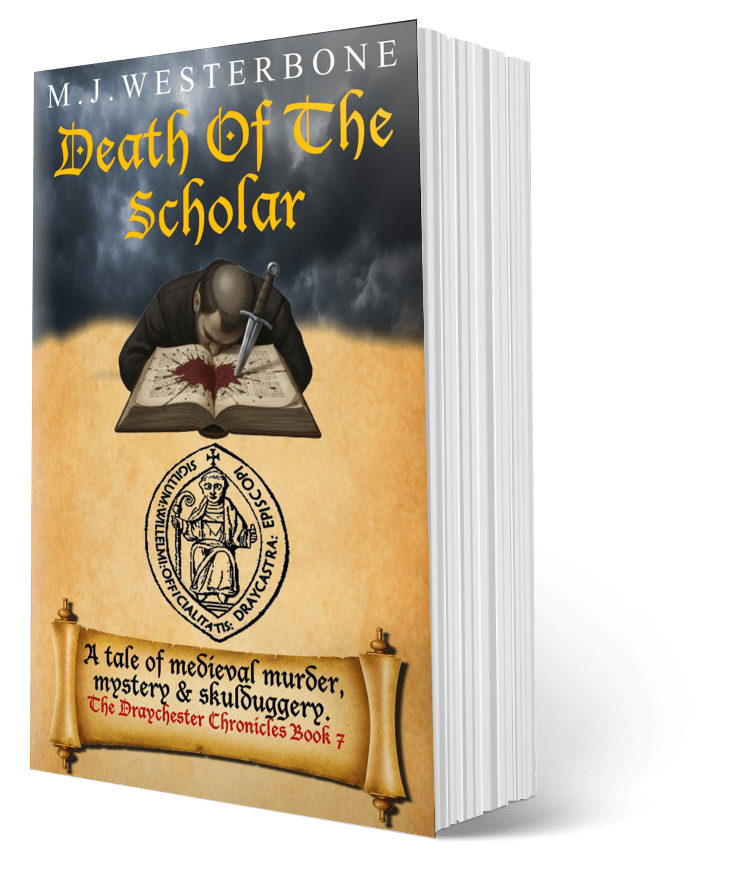
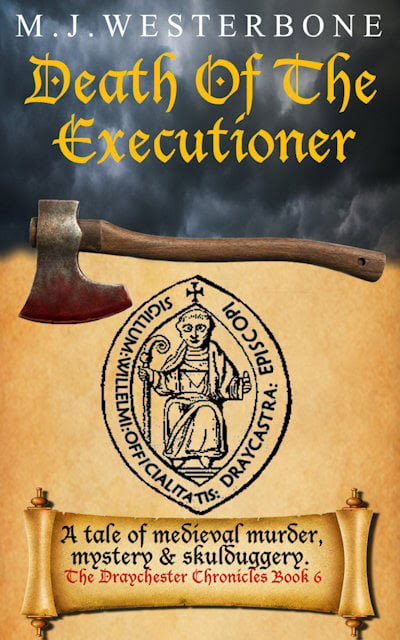
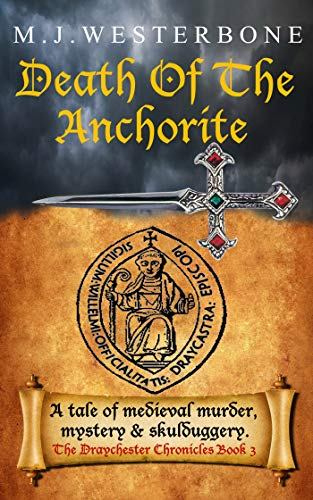
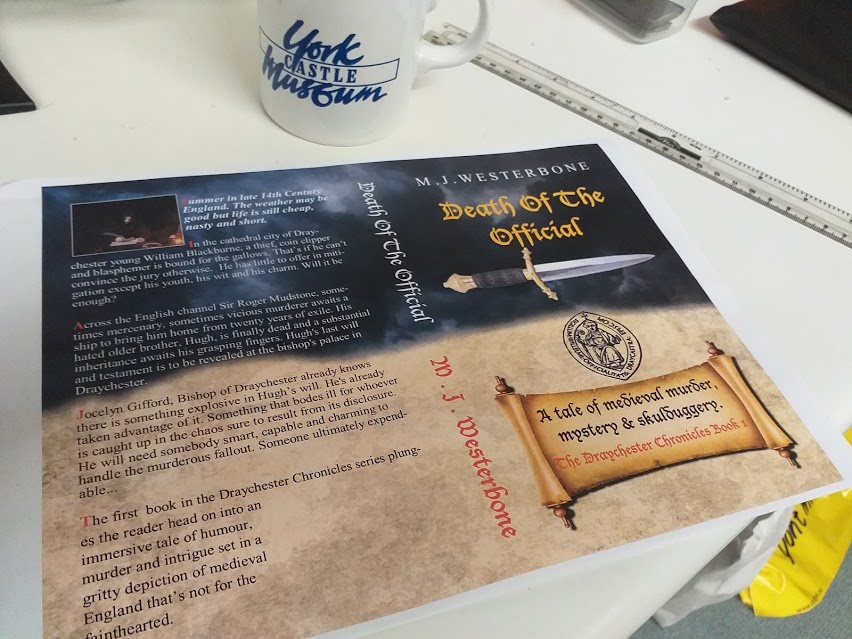
Uncover medieval intrigue—grab your copy of The Draychester Chronicles.



 I first came across Paul Doherty’s books via his Hugh Corbett series, set during the 13th-century reign of Edward I of England. There are now twenty-one books in the series as of 2020’s “Hymn to Murder”. I have loved this series since the first book was published back in the late 1980s. Doherty has written something like 100+ published works under a variety of pen names alongside his real name. The sheer volume and quality of his literary output is quite amazing. The other series of his I’m familiar with is the “Sorrowful Mysteries of Brother Athelstan”, set during the 14th-century reign of Richard II of England. Again a great read. The series will be on book twenty as of December 2020. I highly recommend both series, Doherty is an absolute master of the historical mystery genre.